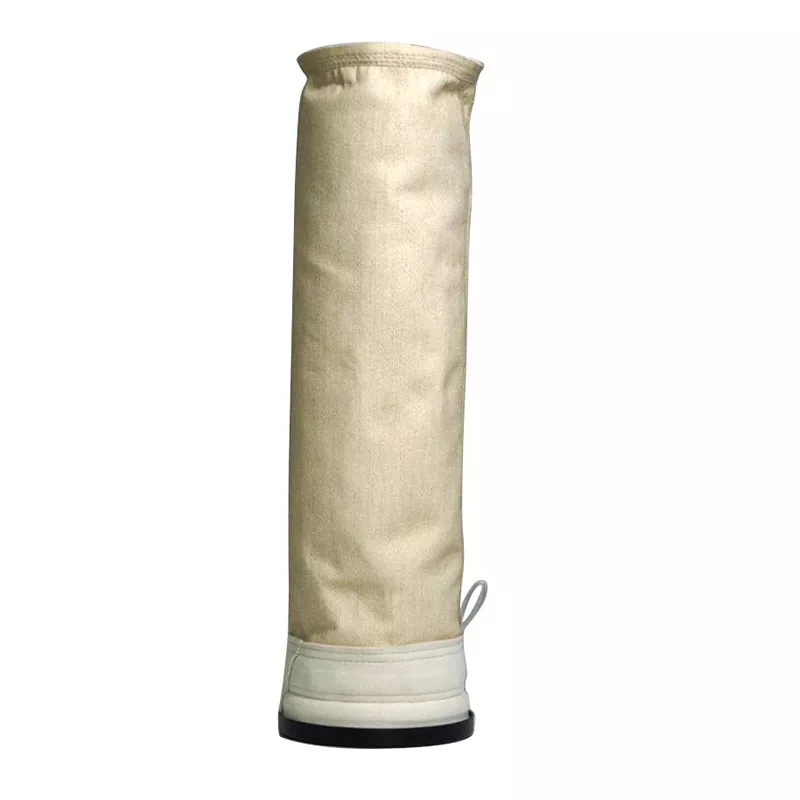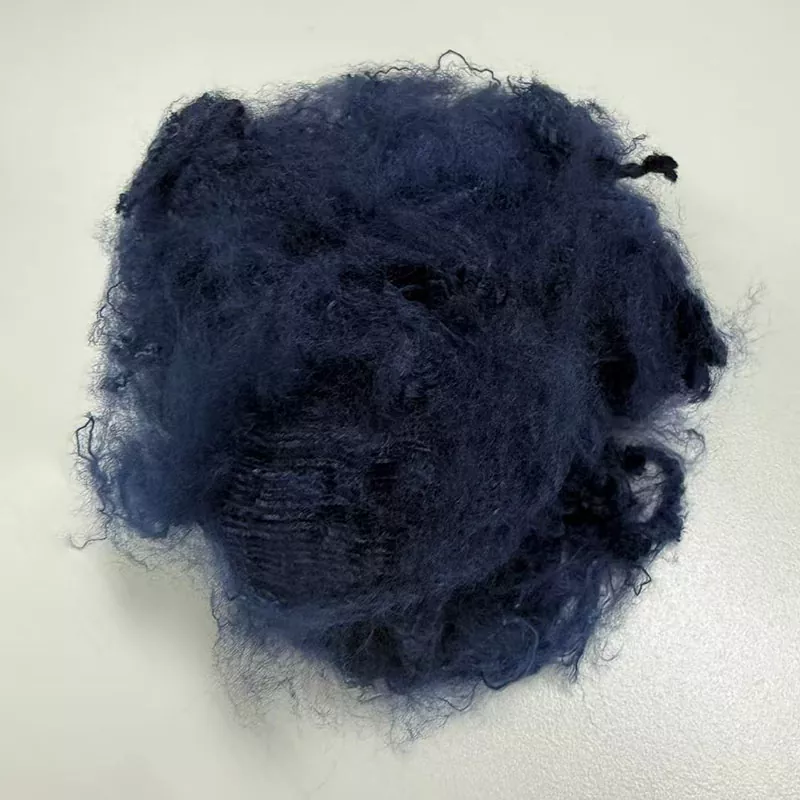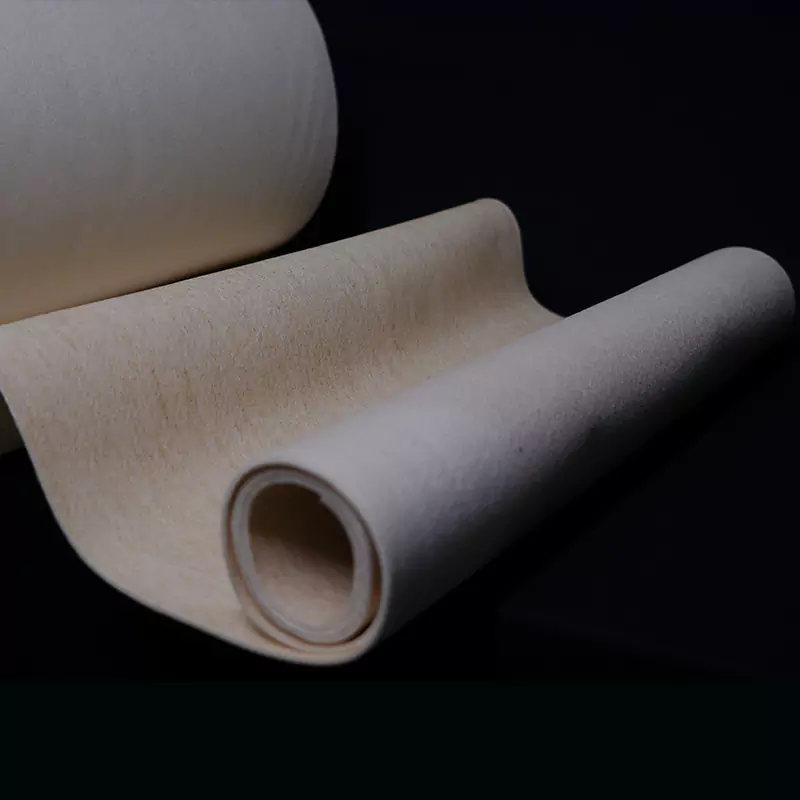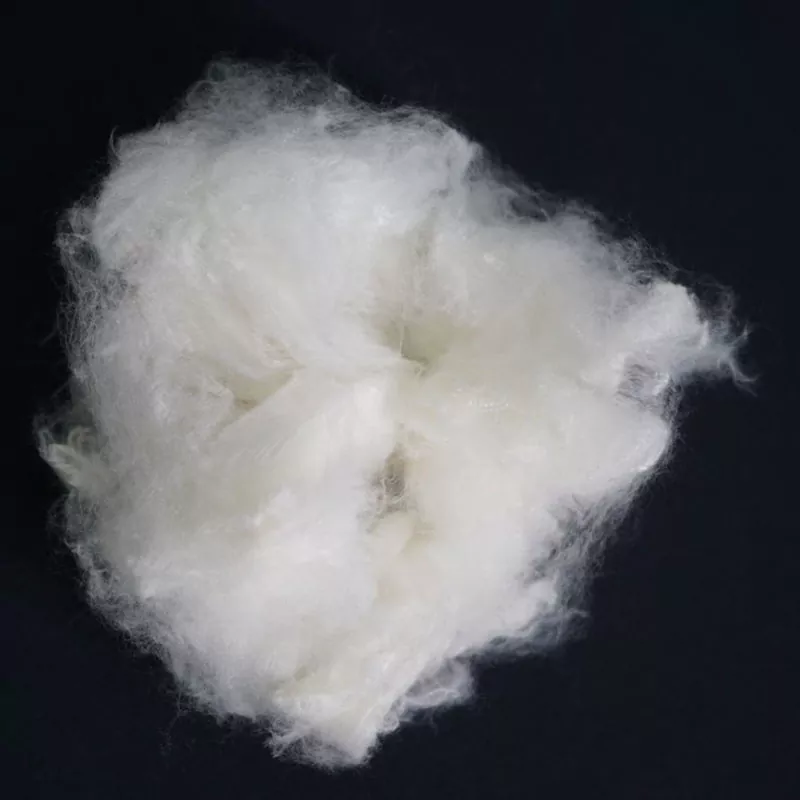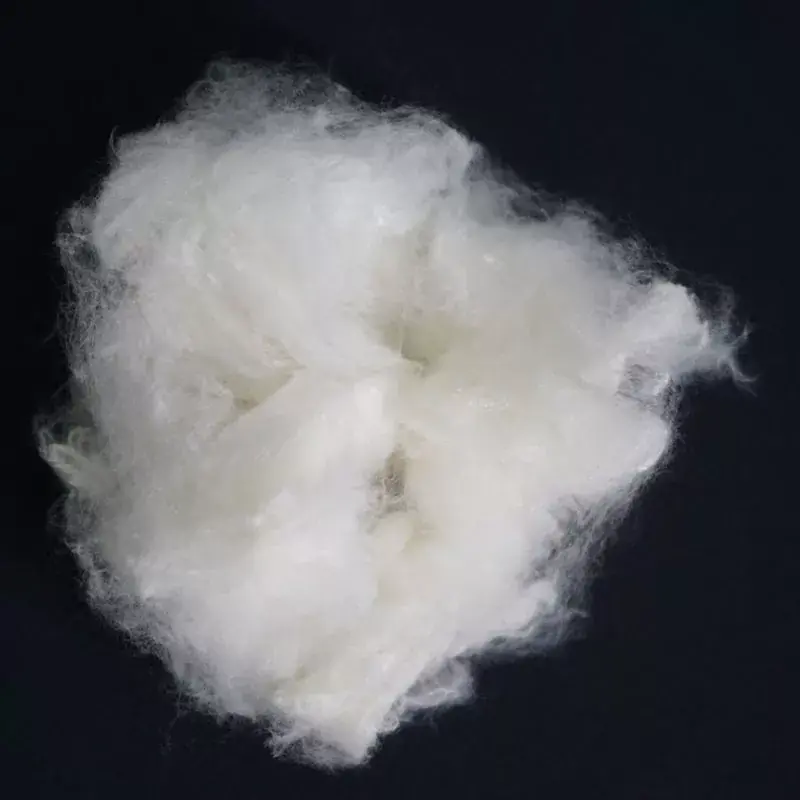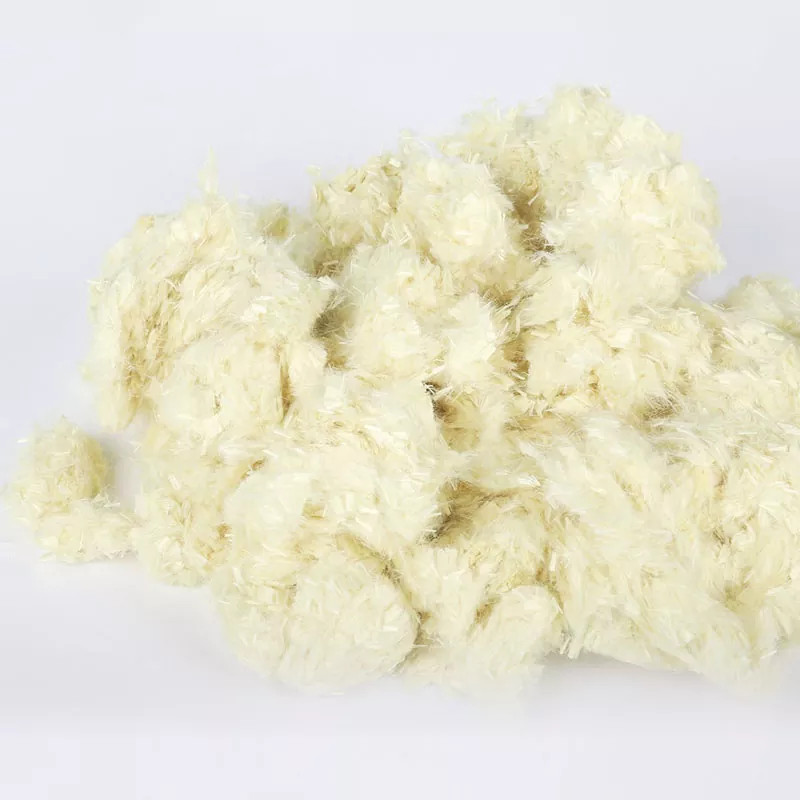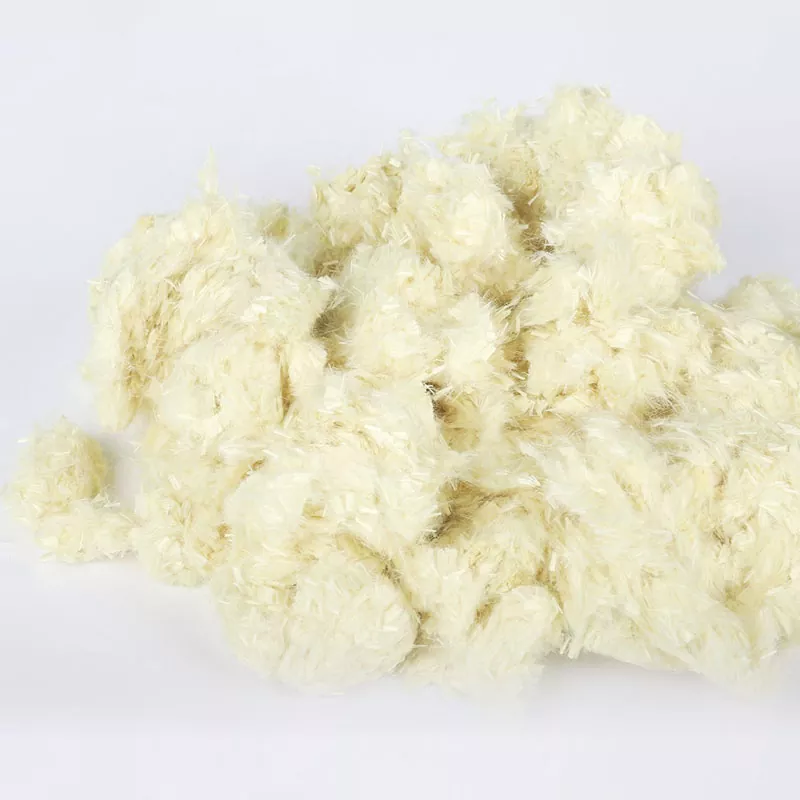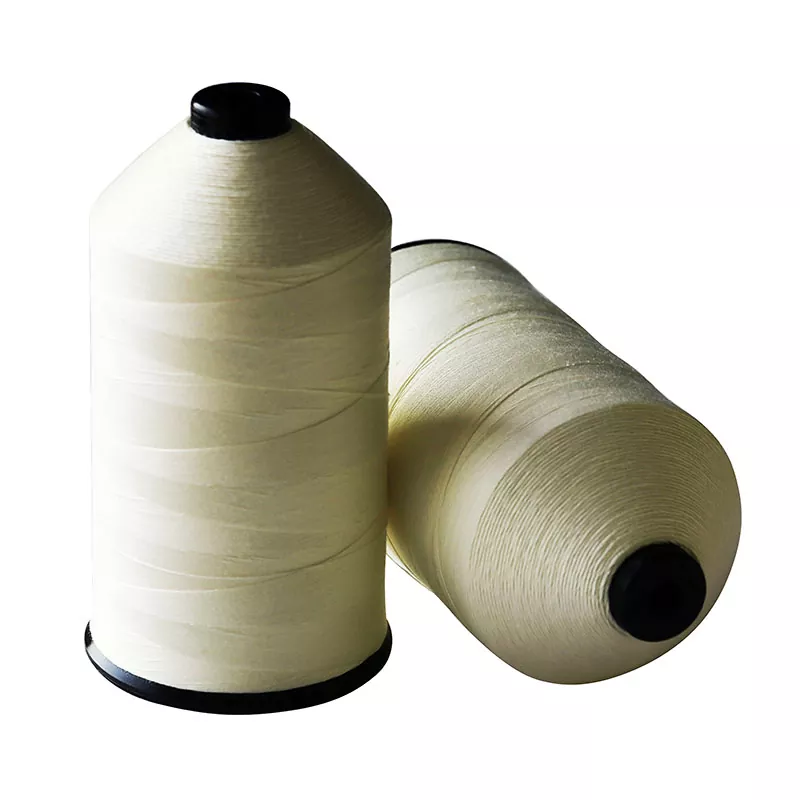
Aramid Yarn is a high-performance synthetic fiber known for outstanding strength, heat resistance, and durability. This comprehensive blog covers key questions about Aramid Yarn — including what it is, how it’s made, where it’s used, what advantages and disadvantages it has, and real-world applications. You’ll also find a clear table of properties, a benefits vs. limitations comparison, and a detailed FAQ section to deepen your understanding.
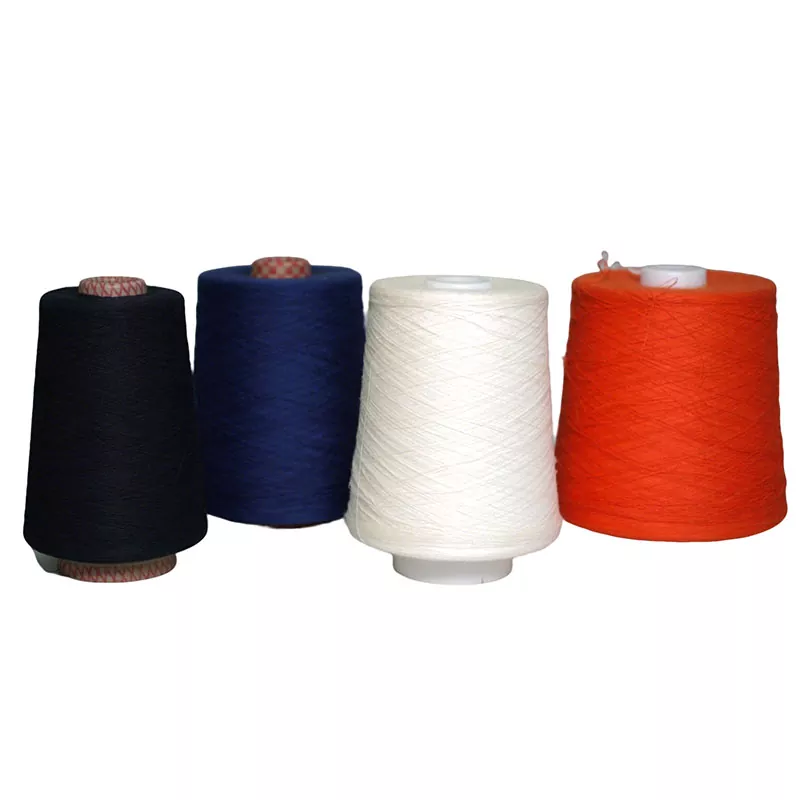
Aramid Yarn is a category of heat-resistant and strong synthetic fibers used extensively in advanced engineering and protective applications. The term “aramid” is short for “aromatic polyamide,” which refers to its chemical structure that gives it exceptional thermal stability and mechanical strength.
Companies like Inner Mongolia Fengshengtai New Material Co.,ltd. produce Aramid Yarn for global markets where performance and safety are paramount.
Aramid Yarn is produced through a specialized polymerization and spinning process:
The controlled manufacturing ensures uniform fiber strength, crucial for applications in safety gear and composite materials.
| Property | Typical Performance | Why It Matters |
|---|---|---|
| Tensile Strength | Very High | Enables use in load-bearing and reinforcement |
| Heat Resistance | Up to ~500°C (932°F) | Ideal for fire-resistant textiles |
| Weight | Lightweight | Improves comfort and reduces overall product weight |
| Chemical Stability | Excellent | Durable in harsh environments |
| Moisture Absorption | Low | Maintains performance in humid conditions |
The exceptional properties of Aramid Yarn make it suitable for a wide range of industries:
Inner Mongolia Fengshengtai New Material Co.,ltd. supplies premium Aramid Yarn grades tailored to each of these sectors, ensuring compliance with global standards and performance requirements.
| Aspect | Advantages | Disadvantages |
|---|---|---|
| Strength | Exceptionally high tensile strength | Costlier than many conventional fibers |
| Heat Resistance | Maintains integrity at elevated temperatures | Can degrade with prolonged UV exposure |
| Weight | Very lightweight | Requires specialized equipment to process |
| Durability | Excellent resistance to chemicals & abrasion | Lower elasticity compared to other synthetic fibers |
This balanced comparison helps engineers and designers determine whether Aramid Yarn fits their project needs.
If your project demands a combination of strength, durability, and thermal stability, Aramid Yarn stands out as a top material choice. It delivers:
With reliable supply from trusted manufacturers like Inner Mongolia Fengshengtai New Material Co.,ltd., you can secure high-quality Aramid Yarn that meets stringent industry standards.
What is Aramid Yarn used for?
It is used in ballistic protection, aerospace composites, automotive components, industrial reinforcement, and thermal protective clothing due to its high strength and heat resistance.
Can Aramid Yarn withstand high heat?
Yes, Aramid Yarn retains structural integrity at temperatures up to approximately 500°C (932°F), making it suitable for fire-resistant applications.
Is Aramid Yarn more expensive than other fibers?
Yes, due to its advanced properties and complex manufacturing process, Aramid Yarn is more costly than conventional fibers like polyester or nylon.
How does Aramid Yarn compare to steel in strength?
Aramid Yarn can have higher tensile strength-to-weight ratios than steel, making it ideal for lightweight, high-strength applications.
What companies manufacture Aramid Yarn?
Several advanced material producers supply Aramid Yarn globally, including Inner Mongolia Fengshengtai New Material Co.,ltd., known for quality standards and customization options.
Can Aramid Yarn be dyed?
Aramid fibers are difficult to dye due to their chemical structure; most products maintain natural color or are coated/treated for specific applications.