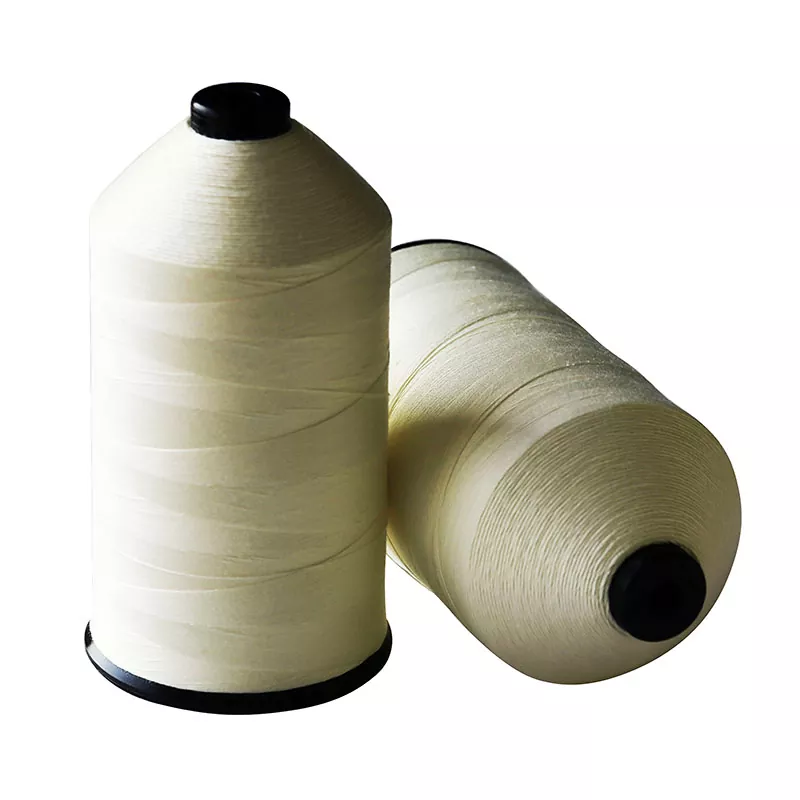
Meta-Aramid Thread plays an important role in industrial applications where heat resistance, flame protection, and long-term seam reliability are essential. As industries continue to improve safety standards and develop more advanced equipment, the demand for high-performance sewing materials is expanding across protective clothing, transportation, electrical insulation, and specialized industrial products. Selecting suitable thread materials helps manufacturers improve seam integrity and maintain product performance under demanding working conditions.
Unlike conventional sewing materials designed mainly for everyday textile applications, aramid-based sewing materials are developed for environments that require greater thermal stability and dependable mechanical performance. Their characteristics make them suitable for products exposed to elevated temperatures, potential flame hazards, and continuous operational stress. Understanding their properties, manufacturing requirements, and application limitations is essential for selecting the right material for specialized production.
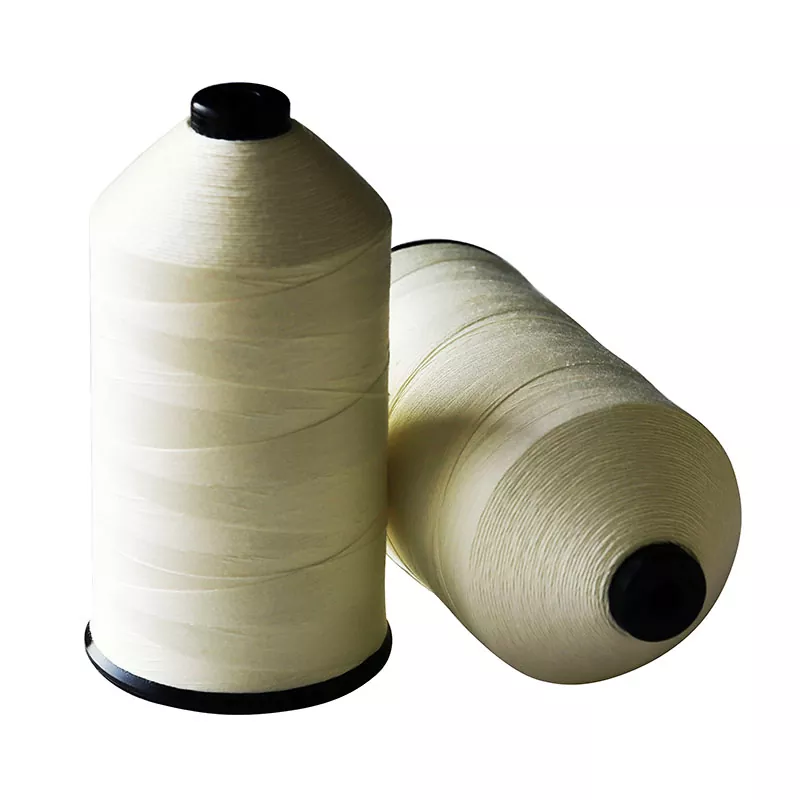
Industrial sewing is more than the process of joining separate pieces of fabric. In protective garments, filtration products, insulation components, and technical textiles, seams can influence the overall reliability and service life of the finished product. The sewing material must therefore be compatible with the base fabric, the working environment, and the intended product function.
Conventional threads can perform well in ordinary clothing and general textile production. However, some may lose strength, shrink, soften, or deteriorate when exposed to elevated temperatures or demanding operating conditions. These limitations can become important when seams are expected to remain functional during heat exposure, repeated movement, or prolonged use.
Material selection should begin with a clear understanding of the conditions in which the finished product will operate. Different industries have different requirements, and no single thread material is suitable for every application.
These requirements demonstrate why technical sewing materials should be evaluated as part of the complete product system. Thread performance, fabric construction, stitch design, and manufacturing conditions all contribute to the final result.
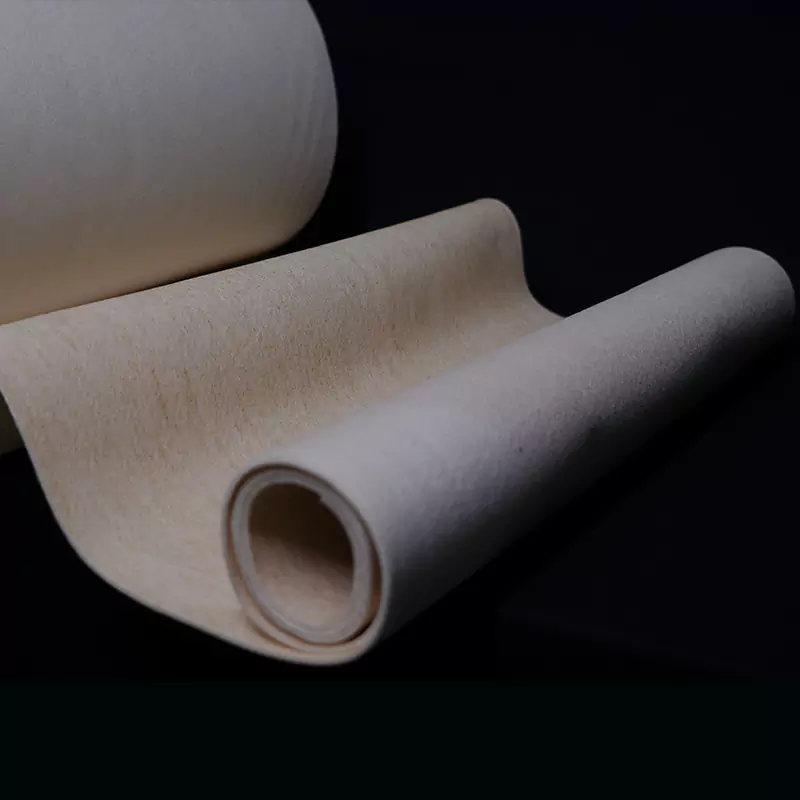
Meta-aramid is a class of aromatic polyamide known for its thermal stability and flame-resistant characteristics. Its molecular structure supports applications where ordinary textile fibers may not provide sufficient heat resistance. Meta-aramid materials are therefore used in protective textiles, industrial fabrics, and specialized components that must operate under challenging conditions.
The performance of a finished thread depends on more than the properties of the base fiber. Fiber quality, yarn preparation, twisting, thread construction, finishing treatments, and subsequent processing can all affect the final mechanical and thermal characteristics. For this reason, technical specifications should be reviewed before a material is selected for a particular industrial application.
Thermal stability is one of the main reasons meta-aramid materials are considered for demanding applications. Their structure enables them to retain useful properties under elevated temperatures compared with many conventional textile materials. They are also valued for their inherent flame resistance, which can contribute to the performance of appropriately designed protective products.
These characteristics are particularly relevant to garments and textile components used in environments where heat and flame hazards are part of the risk assessment. However, the performance of an individual thread should not be confused with the protection offered by a complete garment or assembled product.
Protective performance depends on multiple factors, including fabric composition, material weight, garment design, seam construction, exposure conditions, and compliance with applicable testing standards. A suitable sewing material can support the overall design, but it cannot independently guarantee that the finished product meets a specific safety requirement.
Mechanical performance is another important consideration in industrial sewing. The thread must withstand the forces generated during stitching, handling, and actual service. Insufficient strength may contribute to seam failure, while unsuitable thread construction can create difficulties during high-speed production.
Thread strength is influenced by fiber characteristics, yarn uniformity, twist structure, and finishing quality. Sewing conditions also matter. Excessive tension, unsuitable needles, incorrect stitch density, or poorly adjusted equipment may damage the thread or weaken the completed seam.
For demanding applications, manufacturers should assess thread tensile strength, elongation, abrasion resistance, and sewing behavior together. These measurements provide a more complete understanding of whether a material is appropriate for the intended product.
High-performance sewing materials are used across industries that depend on durable textile assemblies. Although individual applications have different technical requirements, the shared objective is to maintain reliable connections between components throughout the expected service period.
| Industry | Typical Application | Primary Consideration |
|---|---|---|
| Protective clothing | Heat-resistant garments and protective textile assemblies | Thermal stability and seam reliability |
| Industrial filtration | Specialized filter bags and technical fabrics | Operating temperature and chemical compatibility |
| Electrical equipment | Selected insulating textile components | Thermal performance and application-specific insulation requirements |
| Transportation | Technical textiles and specialized interior components | Durability and environmental resistance |
| Industrial safety | Protective covers and equipment-related textile products | Mechanical integrity and exposure conditions |
| Aerospace-related applications | Selected technical textile assemblies | Strict material qualification and traceability |
Protective clothing is one of the most relevant application areas for heat-resistant sewing materials. Garments used in metal processing, industrial maintenance, firefighting, and other hazardous environments may require seams that remain functional when exposed to demanding conditions.
The thread must be compatible with the protective fabric and the garment's intended performance requirements. Seam design should consider stress concentration, movement, repeated bending, and the possibility of exposure to heat or flames. Poorly designed seams can create weak areas even when the primary fabric has suitable protective properties.
Manufacturers should therefore evaluate the entire garment construction rather than selecting sewing materials according to fiber characteristics alone. Appropriate testing of the finished assembly helps confirm whether the seams contribute to the required level of protection.
Industrial filtration systems often operate under conditions that place continuous demands on filter media and their seams. Depending on the process, filter fabrics may encounter elevated temperatures, airborne particles, mechanical movement, or chemically aggressive substances.
In these applications, seam integrity can affect the stability of the filter assembly and its ability to perform consistently. A suitable thread should withstand the operating environment while remaining compatible with the filter fabric and construction method.
Material selection should account for the actual temperature range, the chemicals present, the cleaning procedure, and the mechanical stresses associated with installation and operation. General heat resistance does not automatically establish compatibility with every chemical or filtration process.
Electrical equipment often requires materials that provide dependable thermal and insulating performance. Meta-aramid fibers are used in selected electrical insulation applications, including specialized papers and other engineered materials. Their role depends on the design of the electrical system and the specifications of the insulating component.
In textile-based assemblies, sewing materials may be required to retain structural integrity near heat-generating equipment or within demanding operating environments. Nevertheless, electrical insulation performance must be verified for the complete material system rather than inferred from the fiber category.
Engineers should review the relevant electrical, thermal, mechanical, and environmental requirements before selecting materials for transformer-related equipment or other energy applications. Compatibility with adjacent components and compliance with applicable standards remain essential.
Consistent quality begins with the selection and preparation of suitable raw materials. Variations in fiber characteristics can influence yarn uniformity, tensile properties, and the stability of the finished thread. Effective production management helps reduce unwanted variation and supports more predictable downstream processing.
For specialized sewing materials, manufacturing quality should be considered across the complete production process. Fiber preparation, spinning, twisting, winding, and finishing can each influence the final product. A well-controlled process helps manufacturers maintain consistent characteristics across production batches.
Fiber preparation provides the foundation for yarn formation. Consistent fiber distribution and suitable processing conditions help improve yarn uniformity and reduce irregularities that may affect sewing performance.
Yarn construction also influences the behavior of the finished thread. Twist level, strand arrangement, and yarn structure affect strength, flexibility, surface characteristics, and resistance to friction. The appropriate construction depends on the intended application and the requirements of the sewing process.
For industrial production, a thread must perform reliably not only in laboratory testing but also during actual sewing operations. Manufacturers should therefore consider both material specifications and processing trials when evaluating a new thread type.
Finishing treatments may be used to improve handling, reduce friction, or support specific processing requirements. However, finishing materials must be compatible with the base fiber and the expected service environment. Treatments that improve sewing behavior should not compromise essential thermal or flame-resistant properties.
Process control is equally important. Monitoring yarn consistency, thread dimensions, tensile performance, and visible defects can help identify variations before products reach downstream manufacturing stages.
Quality management should also include appropriate documentation and batch traceability. Clear records make it easier to investigate production issues, compare material performance, and maintain consistent supply specifications. These practices are particularly valuable in industries where material reliability is directly connected to safety or equipment performance.
Selecting an appropriate thread requires a systematic review of the finished product, its operating environment, and the manufacturing process. A material that performs well in one application may not provide the same results in another because the demands on the seam can differ substantially.
The first step is to identify the conditions that the thread will encounter during use. Relevant factors include operating temperature, potential flame exposure, humidity, chemical contact, abrasion, and mechanical loading.
For example, a protective garment used in a high-temperature environment may require a different material specification from a filter assembly exposed to chemical vapors. The term heat-resistant alone is not sufficient to establish suitability for either application.
Thread selection should be coordinated with the base fabric and the sewing equipment. Differences in thread diameter, surface friction, flexibility, and tensile behavior can affect needle selection, machine settings, and seam appearance.
These steps help identify processing problems before large-scale production begins. They can also reduce unnecessary material waste and improve manufacturing consistency.
Technical documentation is essential when selecting specialized fibers and sewing materials. Relevant information may include thread construction, linear density, tensile strength, elongation, thermal behavior, recommended processing conditions, and applicable test results.
Where protective performance is required, the evaluation should also consider the standards governing the finished product. Testing a raw fiber or thread does not automatically demonstrate that a completed garment, filter assembly, or insulation component meets all relevant requirements.
Manufacturers should request suitable technical information and verify that test methods correspond to the intended application. Clear specifications help engineering teams make informed decisions and maintain consistency across production runs.
Specialized threads can introduce processing challenges when their characteristics differ from those of conventional sewing materials. Understanding these challenges helps manufacturers improve production settings and reduce defects without compromising the required material performance.
Thread breakage can result from unsuitable machine tension, needle damage, excessive friction, or inconsistencies in the thread itself. The sewing speed and stitch design may also affect the likelihood of breakage.
A structured troubleshooting process should examine both the material and the equipment. Checking the needle condition, thread path, tension settings, and winding quality can help identify the cause. Changes should be introduced systematically so that their effects can be evaluated accurately.
Industrial manufacturers often seek to improve productivity while maintaining strict product specifications. However, increasing sewing speed without reviewing thread behavior and equipment settings can lead to inconsistent stitches or unnecessary material stress.
Effective process optimization requires cooperation between material suppliers, production engineers, and quality teams. Controlled trials can help establish suitable sewing parameters while maintaining the functional requirements of the finished product.
The performance of a thread can be affected by subsequent manufacturing and service conditions. Exposure to heat, cleaning agents, abrasion, or other environmental factors may influence the seam over time.
For this reason, manufacturers should consider the complete product lifecycle during material evaluation. Testing should reflect relevant exposure conditions wherever practical, and maintenance procedures should follow the requirements established for the finished product.
Quality assurance is a fundamental part of specialty fiber manufacturing. Reliable products require consistent raw materials, controlled processing, appropriate inspection methods, and accurate technical documentation. These measures help ensure that material characteristics remain within the specifications required by downstream applications.
Inspection procedures should be designed around the characteristics that matter most to the intended application. Depending on the product, these may include thread dimensions, tensile properties, appearance, uniformity, and performance after relevant environmental exposure.
Traceability supports effective quality management by connecting production batches with their raw materials, processing records, and inspection results. When a problem occurs, this information helps manufacturers investigate the cause and implement corrective measures.
For applications involving protective equipment, transportation, or electrical systems, documentation also supports technical review and material qualification. Clear communication between suppliers and manufacturers can reduce misunderstandings and help maintain consistent product requirements.
Manufacturing efficiency involves more than increasing production speed. It also includes reducing defects, improving material utilization, maintaining stable product quality, and minimizing avoidable process interruptions.
Consistent fiber processing and suitable production controls can help reduce variation and support more predictable manufacturing outcomes. Improvements in equipment management, process monitoring, and technical training can further strengthen production reliability.
At the same time, material development should remain focused on the actual requirements of each application. A higher-performance specification is not always necessary for every product. The most appropriate solution is one that satisfies the technical requirements while supporting practical manufacturing and long-term use.
Industrial development is creating new opportunities for specialized fibers across protective equipment, energy systems, transportation, and environmental technologies. As engineering requirements become more demanding, manufacturers are placing greater emphasis on material reliability, application-specific performance, and consistent product quality.
Research in advanced fibers continues to explore ways to improve processing efficiency, material utilization, and compatibility with different product structures. Collaboration between fiber producers, textile manufacturers, equipment developers, and research institutions can help translate material science advances into practical industrial solutions.
As technical textiles become more specialized, material selection is increasingly linked to the design of the finished product. Engineers may need to balance thermal resistance, flexibility, strength, weight, and processing characteristics within the same assembly.
This creates opportunities for manufacturers to develop application-specific material specifications rather than relying on general-purpose solutions. A clear understanding of operating conditions and product performance requirements helps guide the selection process and supports more reliable outcomes.
Advanced fiber technologies are important to industrial supply chains because they support products used in safety-critical and technically demanding environments. Developing stronger domestic capabilities in research, manufacturing, and quality management can improve supply resilience and create opportunities for further technological progress.
Continued investment in research infrastructure and production expertise can help material manufacturers address technical challenges and expand their application capabilities. Progress in these areas depends on sustained research, practical validation, and cooperation with downstream industries.
Meta-Aramid Thread reflects the wider importance of specialized aramid materials in modern industrial manufacturing. Its suitability for a particular product should always be established through technical specifications, process evaluation, and application-relevant testing. When selected and processed correctly, aramid-based sewing materials can contribute to durable textile assemblies designed for demanding operating conditions.
Inner Mongolia FengShengTai New Materials Co., Ltd. is a high-tech enterprise integrating research and development, production, and sales of meta-aramid fibers and aramid insulating materials. As a mixed-ownership enterprise controlled by state-owned capital with participation from private enterprises, the company focuses on developing advanced materials for industrial applications that require reliable performance and specialized technical characteristics.
The company's development is centered on meta-aramid technology and aramid-based material solutions. Its products serve a broad range of fields, including fire protection, military and police protective equipment, special labor protection, aviation, aerospace, high-speed rail, aircraft, new energy vehicles, transformer insulation, and industrial environmental filtration.
FengShengTai integrates material research with manufacturing and commercial operations. This approach supports the development of aramid materials for different industrial requirements and reflects the importance of connecting production capabilities with practical application needs.
For manufacturers evaluating advanced fibers, the availability of clear technical information, consistent production quality, and application-oriented communication is important. These factors help downstream engineering teams assess material suitability and determine whether a particular specification meets their product requirements.
The company's development plans also include further investment in aramid insulating paper and aramid lithium battery separators. These material directions are relevant to specialized insulation and energy-related applications, where performance evaluation and product qualification remain essential.
As demand for advanced protective and insulating materials continues to develop, specialized fiber manufacturers have an important role in supporting industrial innovation. Progress requires continued research, disciplined manufacturing, and careful evaluation of material performance under real operating conditions.
Inner Mongolia FengShengTai New Materials Co., Ltd. is committed to advancing meta-aramid fibers and aramid insulating materials for a variety of industrial sectors. Through its focus on research, production, and application development, the company contributes to strengthening advanced material capabilities and supporting the evolving needs of modern manufacturing.
With its emphasis on aramid technology and industrial application, Inner Mongolia FengShengTai New Materials Co., Ltd. is positioned to participate in the continued development of high-performance fiber solutions. Its ongoing work in specialty fibers and insulating materials supports the broader objective of providing reliable materials for protective equipment, transportation, energy systems, and industrial applications.
-