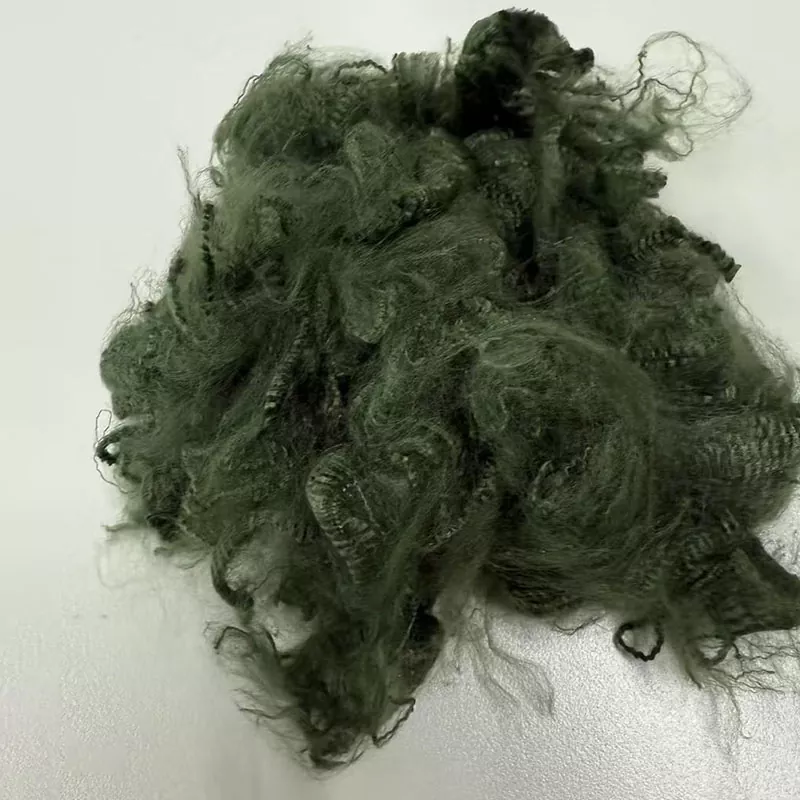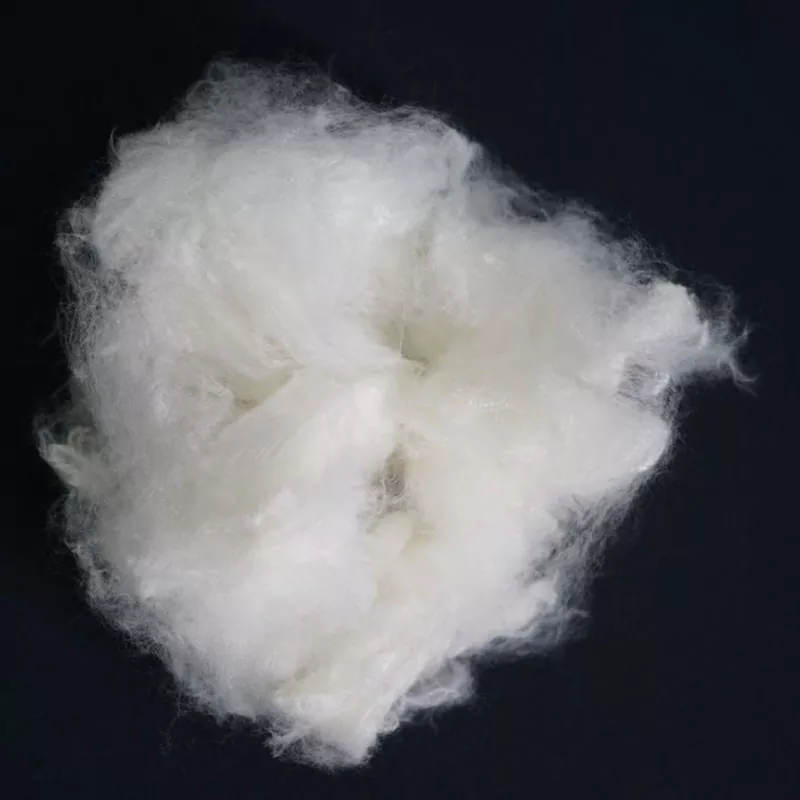

Abstract: White short fiber is a high-performance industrial material widely used in reinforcement, filtration, sealing, and composite engineering. Its unique physical structure and chemical stability make it a preferred choice in demanding environments where durability, insulation, and lightweight performance are critical. This article explains its definition, production process, key properties, applications, and selection considerations to help engineers and buyers make informed decisions.
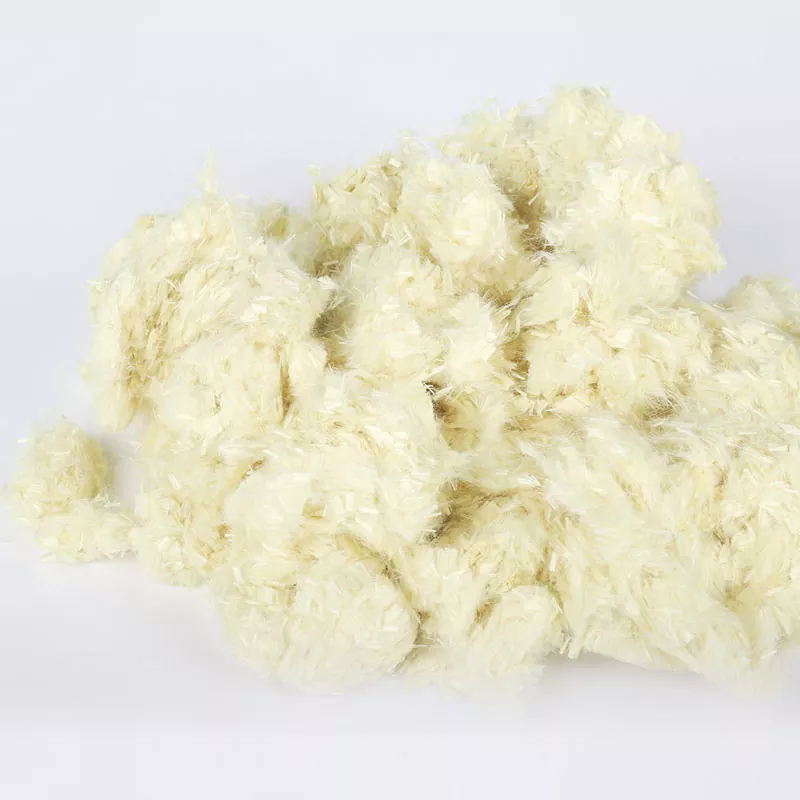
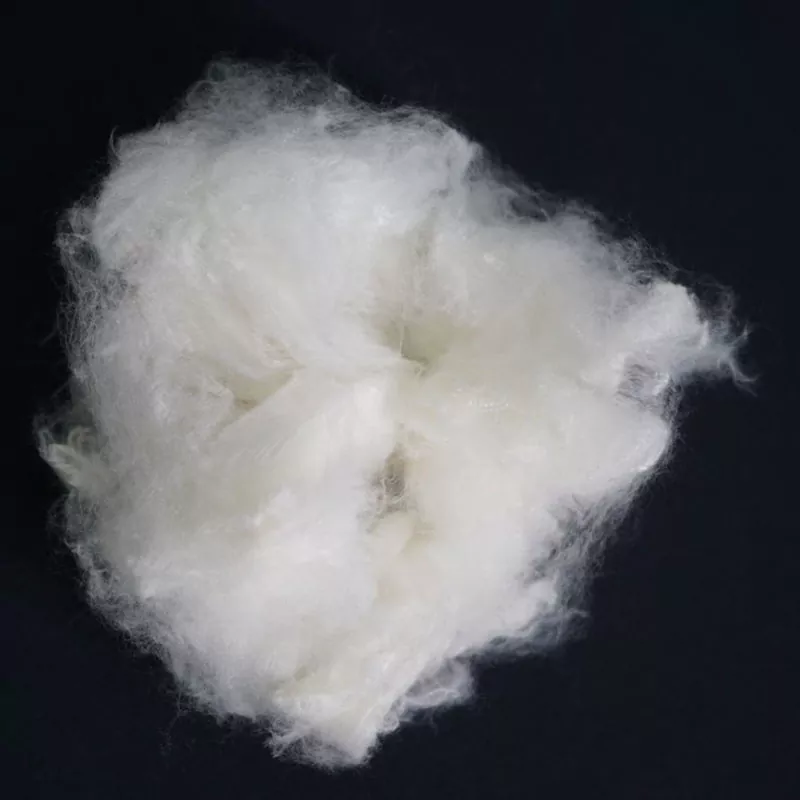
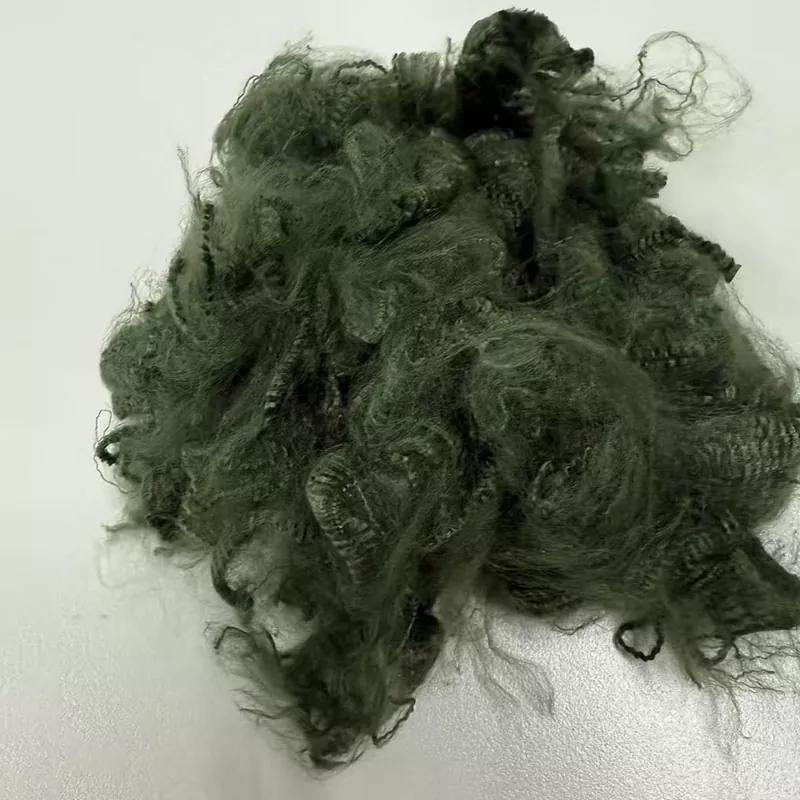
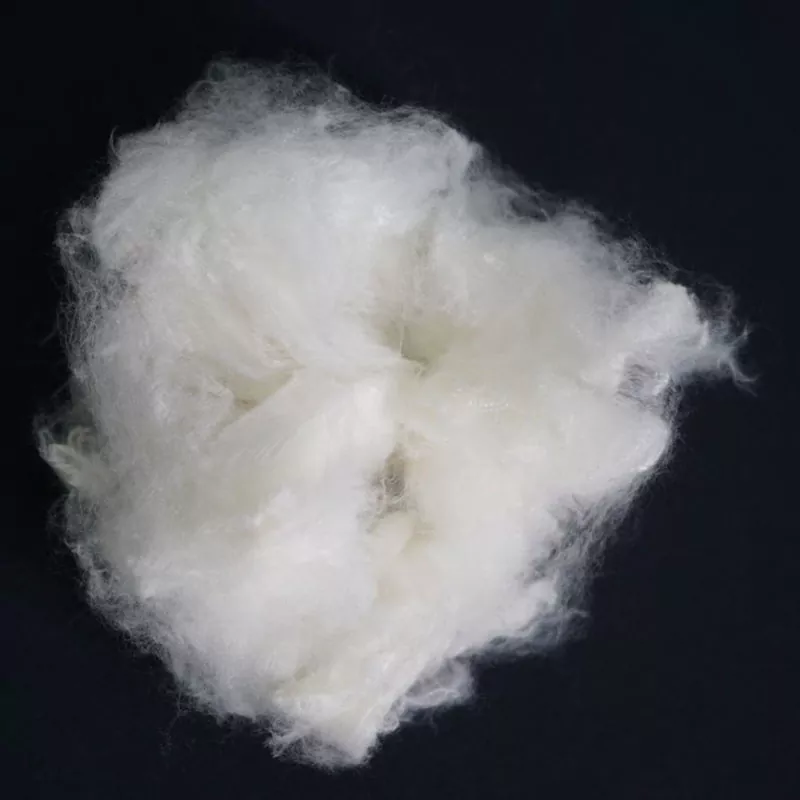
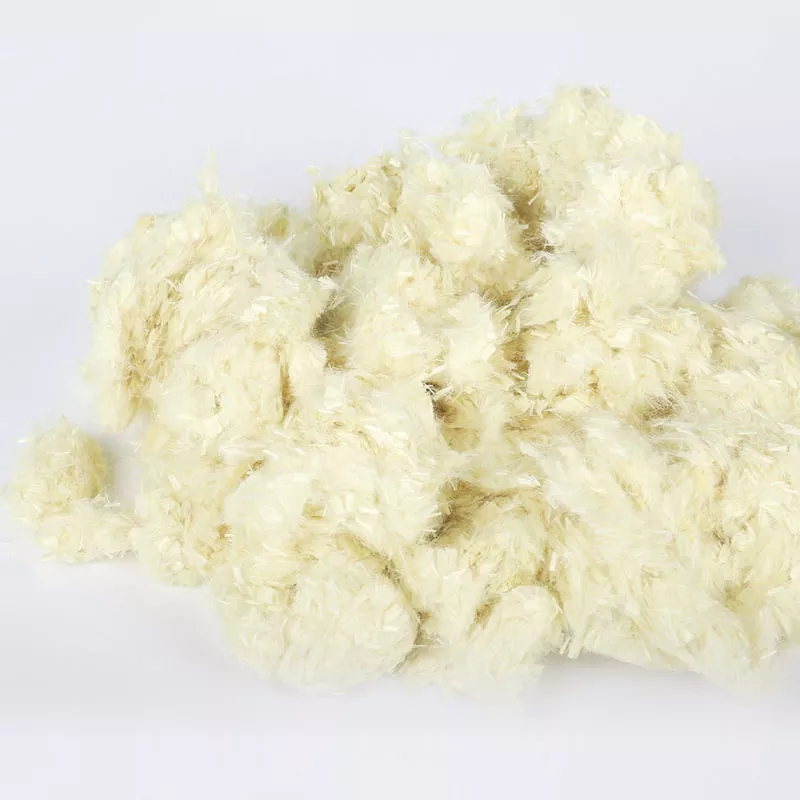
White short fiber is an engineered fibrous material designed to improve structural integrity and functional performance in industrial systems. Unlike continuous fibers, short fibers are cut into controlled lengths, allowing them to disperse evenly in matrices such as rubber, resin, coatings, and filtration media.
Industries such as automotive, aerospace, electrical insulation, and chemical processing rely on white short fiber to enhance mechanical strength, thermal resistance, and dimensional stability without significantly increasing weight or cost.
White short fiber typically refers to high-purity synthetic or inorganic fibers processed into short segments. The “white” characteristic often indicates high cleanliness, low impurity content, and strong resistance to discoloration under heat or chemical exposure.
It is commonly used as a reinforcing additive in composite materials, where it improves:
In products offered by companies such as FST, white short fiber is engineered to meet strict industrial performance standards, especially in high-temperature and chemically aggressive environments.
The production of white short fiber involves several controlled stages to ensure uniform quality and performance consistency.
Each stage directly affects dispersion behavior and reinforcement efficiency in downstream applications.
White short fiber is valued for its balanced combination of mechanical and chemical performance:
These properties make it a critical additive in modern engineered materials where performance cannot be compromised.
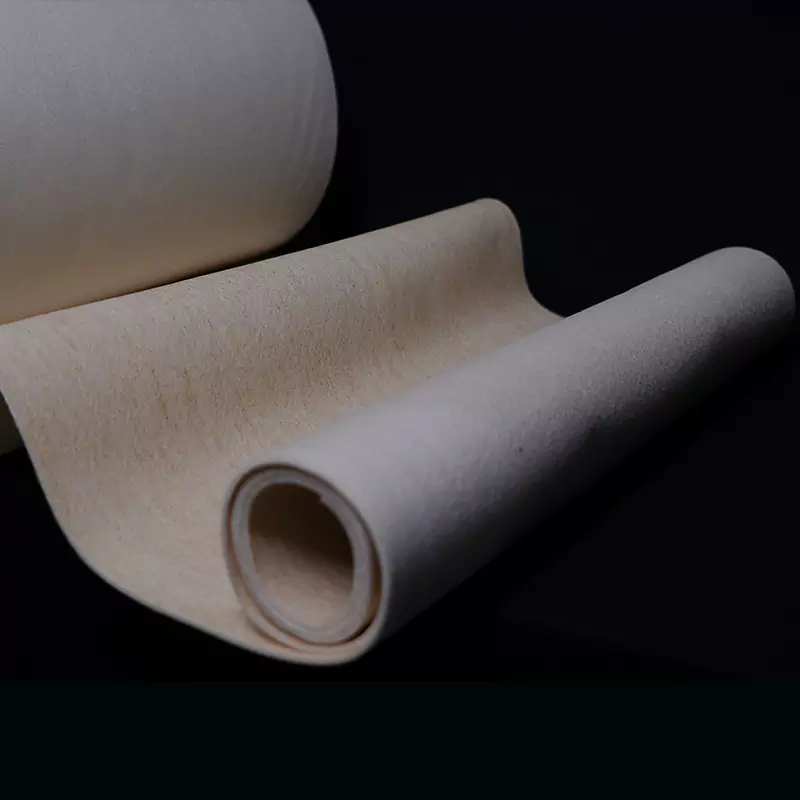
White short fiber is widely used across multiple industries due to its versatility:
Its ability to improve structural integrity without significantly altering processing characteristics makes it a preferred choice in advanced manufacturing systems.
| Property | White Short Fiber | Conventional Fillers |
|---|---|---|
| Strength Enhancement | High | Medium to Low |
| Thermal Resistance | Excellent | Moderate |
| Chemical Stability | Strong | Variable |
| Weight Impact | Low | Medium |
| Dispersion in Matrix | Uniform (if properly processed) | Often inconsistent |
Selecting the right white short fiber depends on the application environment and performance requirements. The following considerations are essential:
Manufacturers like FST provide customized white short fiber solutions tailored to specific industrial demands, ensuring optimized performance across various applications.
Q1: What makes white short fiber different from other fibers?
White short fiber is specifically engineered for uniform dispersion and enhanced reinforcement in composite systems, offering superior stability and cleanliness.
Q2: Can white short fiber be used in high-temperature environments?
Yes, most variants are designed to withstand elevated temperatures without significant degradation.
Q3: Is it compatible with all resin systems?
Compatibility depends on surface treatment and formulation, but it is widely compatible with most industrial resins and polymers.
Q4: Does it improve product lifespan?
Yes, it significantly enhances wear resistance and structural stability, extending service life.
White short fiber plays a vital role in modern material engineering by bridging the gap between lightweight design and high mechanical performance. Its adaptability across industries makes it a strategic choice for manufacturers aiming to improve durability, thermal resistance, and structural integrity.
By integrating advanced fiber technology, companies such as FST continue to support industrial innovation through reliable and high-performance material solutions.
For technical consultation, customization options, or product inquiries, FST welcomes you to contact us to explore how white short fiber can enhance your application performance and production efficiency.
FST — contact us today to discuss your requirements and receive tailored solutions.