Aramid Felt has become a critical material in industries that demand exceptional heat resistance, durability, and long-term stability. From aluminum processing to thermal insulation systems, businesses rely on this advanced material to reduce downtime, improve product quality, and lower operational costs. This article explores how Aramid Felt works, where it delivers the most value, and how to select the right solution for your application.
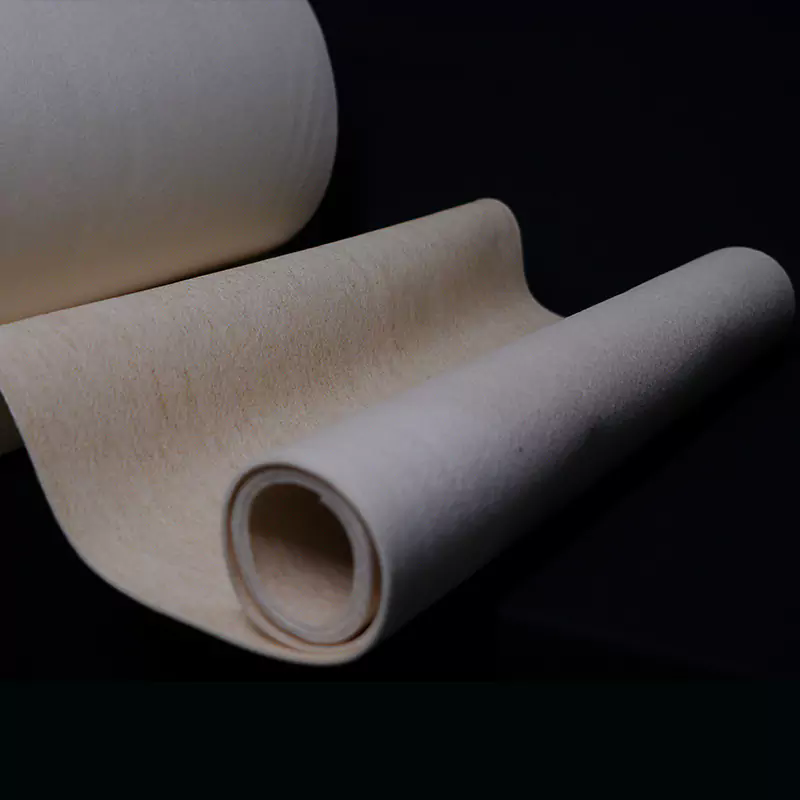
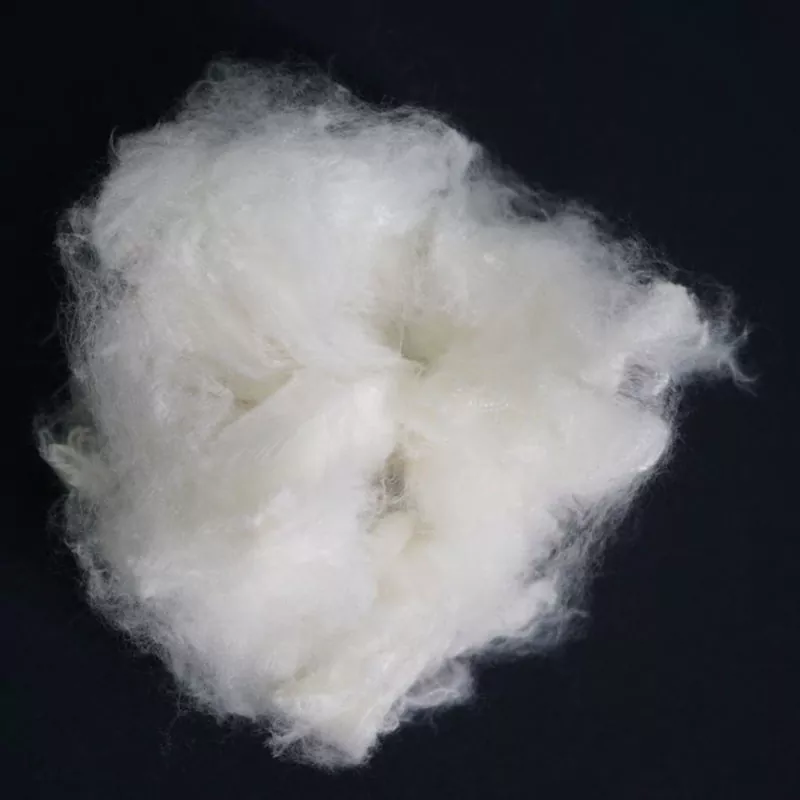
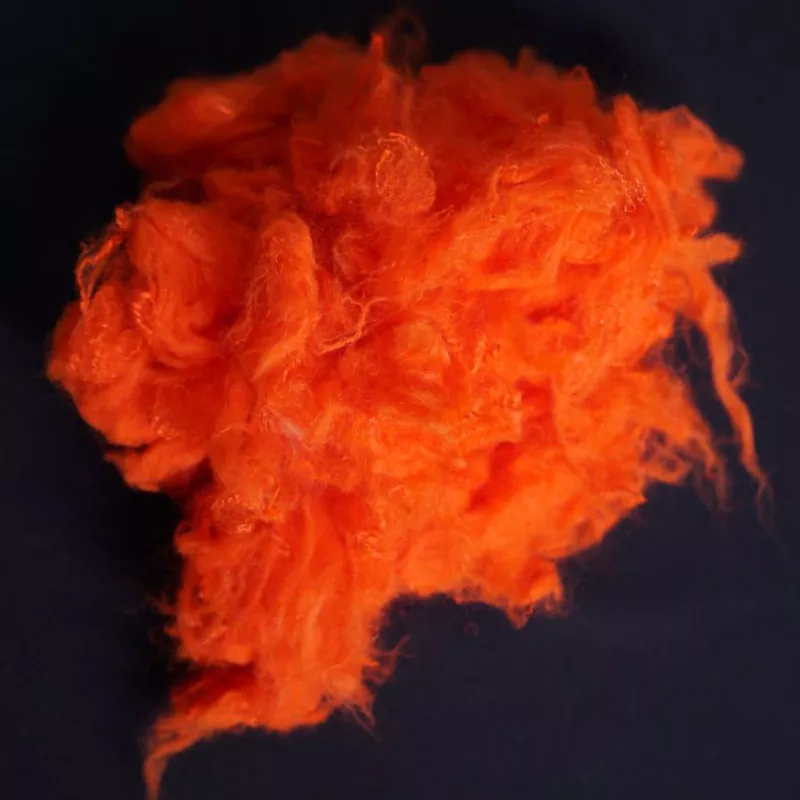
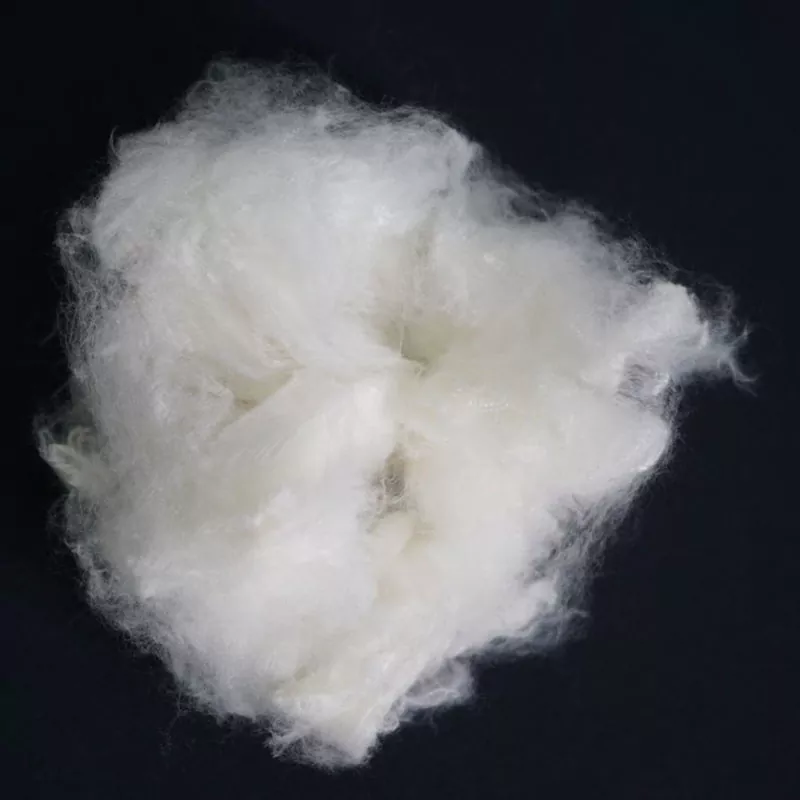
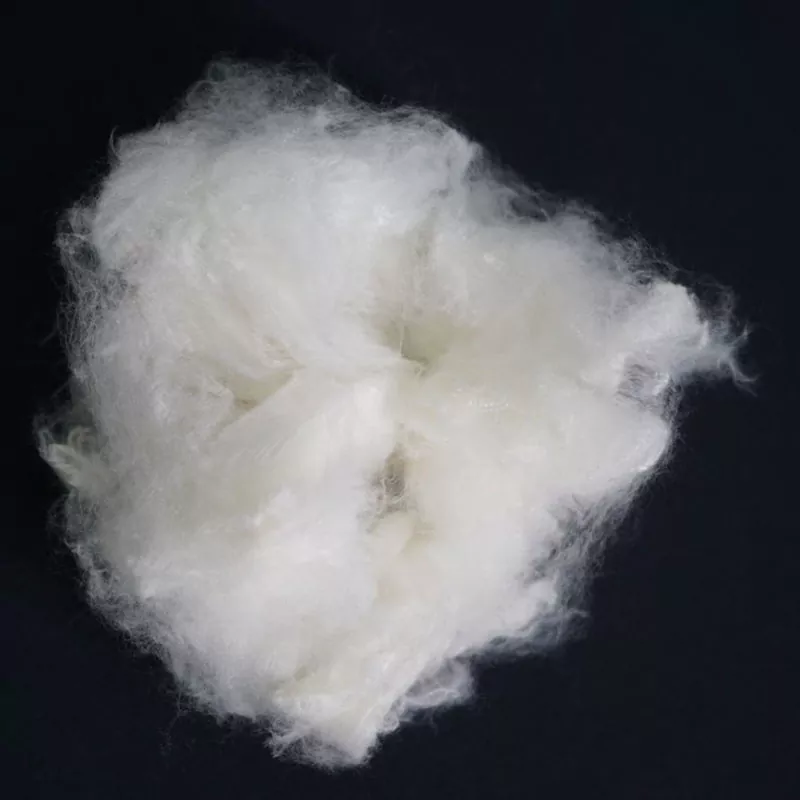
Aramid Felt is a nonwoven fabric made from high-performance aramid fibers, known for their exceptional resistance to heat, abrasion, and chemical degradation. Unlike conventional textiles, aramid fibers maintain structural integrity under extreme thermal conditions, making them ideal for industrial environments where reliability is non-negotiable.
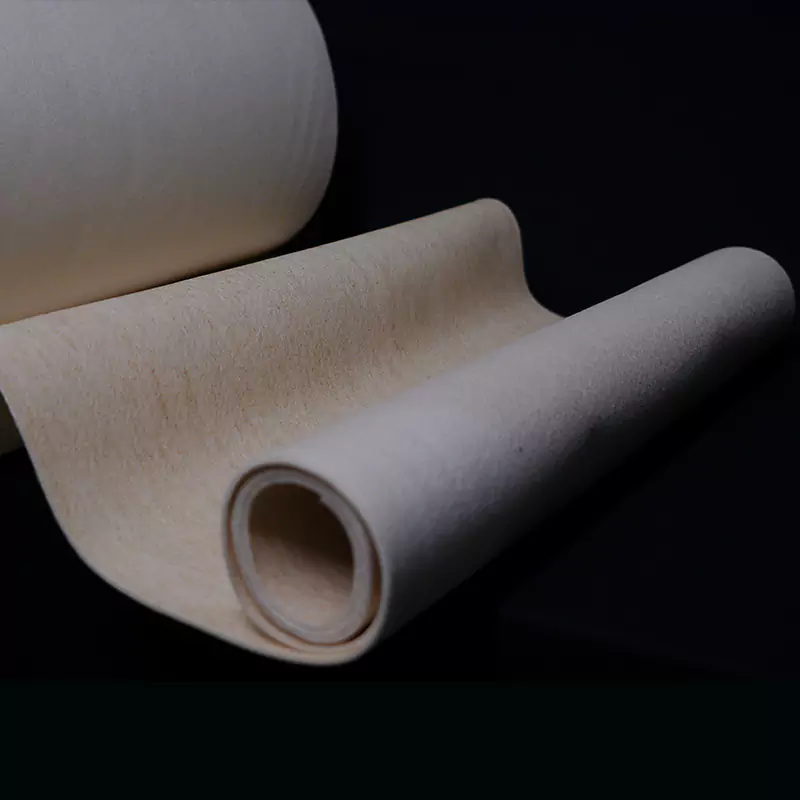
This material is engineered through needle-punching or other bonding techniques, resulting in a dense yet flexible structure that provides both cushioning and thermal insulation.
Industries such as aluminum extrusion, glass manufacturing, and metallurgy face several persistent challenges:
Traditional materials often fail to withstand these demanding conditions, leading to inefficiencies and financial losses.
Aramid Felt addresses these challenges through its unique combination of properties:
These advantages directly translate into reduced downtime and improved operational efficiency.
Understanding the technical properties of Aramid Felt helps in selecting the right solution:
These features make it suitable for environments where both mechanical and thermal stresses are present simultaneously.
Aramid Felt is widely used in various industrial sectors:
Its adaptability allows it to be customized into belts, sleeves, strips, and other forms depending on the application.
Selecting the appropriate Aramid Felt requires careful consideration of several factors:
For example, aluminum extrusion lines often require thicker, denser felts to handle both heat and mechanical load, while lighter applications may prioritize flexibility.
| Property | Aramid Felt | Polyester Felt | Wool Felt |
|---|---|---|---|
| Max Temperature | Up to 500°C | ~150°C | ~120°C |
| Durability | Excellent | Moderate | Low |
| Heat Resistance | Outstanding | Limited | Low |
| Industrial Suitability | High | Medium | Low |
This comparison highlights why Aramid Felt is the preferred choice for high-performance industrial applications.
To maximize the lifespan of Aramid Felt products:
Proper maintenance can significantly extend service life and maintain optimal performance.
FST specializes in delivering high-quality Aramid Felt tailored to demanding industrial applications. With a focus on precision manufacturing and material innovation, FST provides:
You can explore more about the product here: Aramid Felt Product Page
Q1: What temperature can Aramid Felt withstand?
Most Aramid Felt products can handle continuous temperatures up to 500°C, depending on the specific formulation.
Q2: Is Aramid Felt suitable for aluminum extrusion?
Yes, it is widely used in aluminum extrusion lines for conveying and protecting hot profiles.
Q3: How long does Aramid Felt last?
Its lifespan depends on operating conditions, but it typically lasts significantly longer than conventional materials.
Q4: Can Aramid Felt be customized?
Yes, it can be manufactured in various shapes, sizes, and densities to meet specific requirements.
Q5: What makes Aramid Felt better than polyester felt?
Its superior heat resistance and durability make it ideal for high-temperature industrial environments where polyester would fail.
Aramid Felt is a high-performance solution designed to meet the rigorous demands of modern industry. By improving durability, reducing maintenance costs, and enhancing product quality, it delivers measurable value across multiple applications.
If you are looking to optimize your operations with reliable high-temperature materials, FST offers tailored solutions to meet your needs. Contact us today to discover how our Aramid Felt products can elevate your production efficiency and performance.