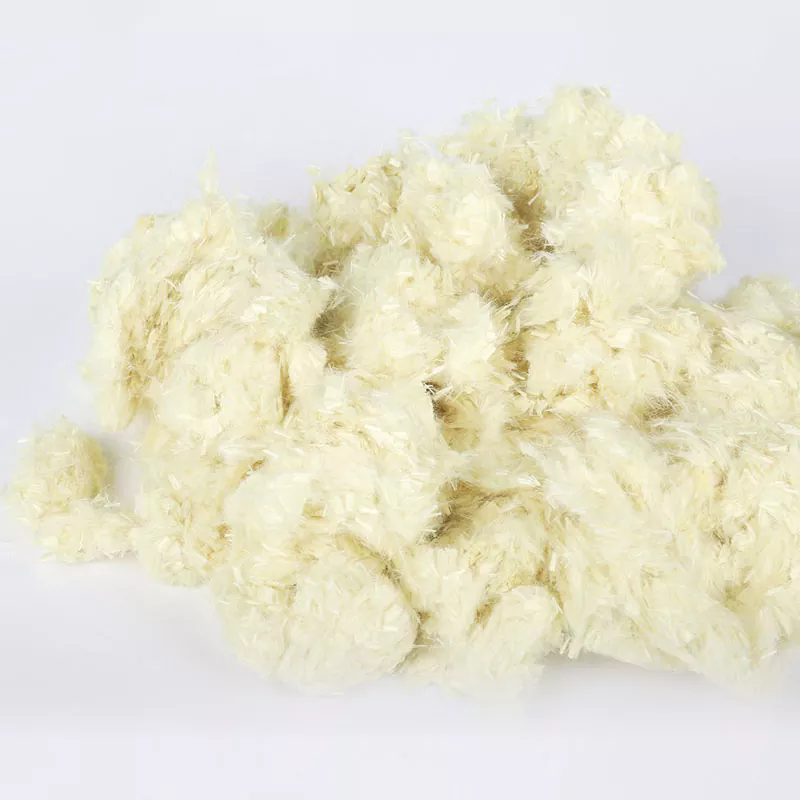
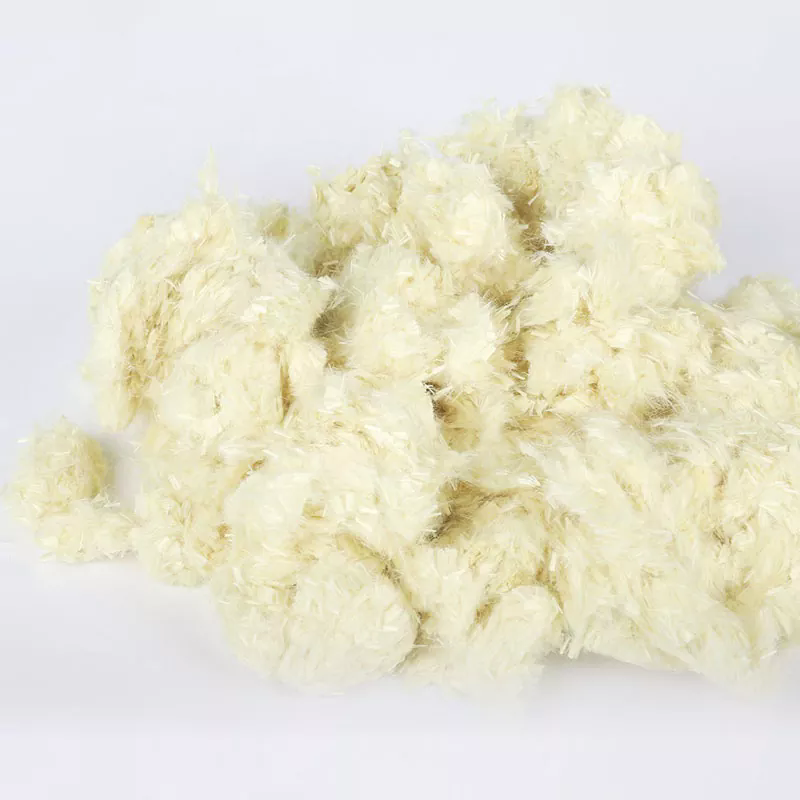
White short fiber is a high-performance industrial material widely used in reinforcement, filtration, sealing, and composite engineering. Its unique physical structure and chemical stability make it a preferred choice in demanding environments where durability, insulation, and lightweight performance are critical. This article explains its definition, production process, key properties, applications, and selection considerations to help engineers and buyers make informed decisions.
White short fiber is an essential material widely utilized in multiple industries due to its unique physical properties, high durability, and cost-effectiveness. This article explores its characteristics, applications, benefits, challenges, and practical considerations for businesses seeking to leverage its potential. Inner Mongolia Fengshengtai New Material Co.,Ltd. offers premium-grade white short fibers designed to meet diverse industrial requirements.
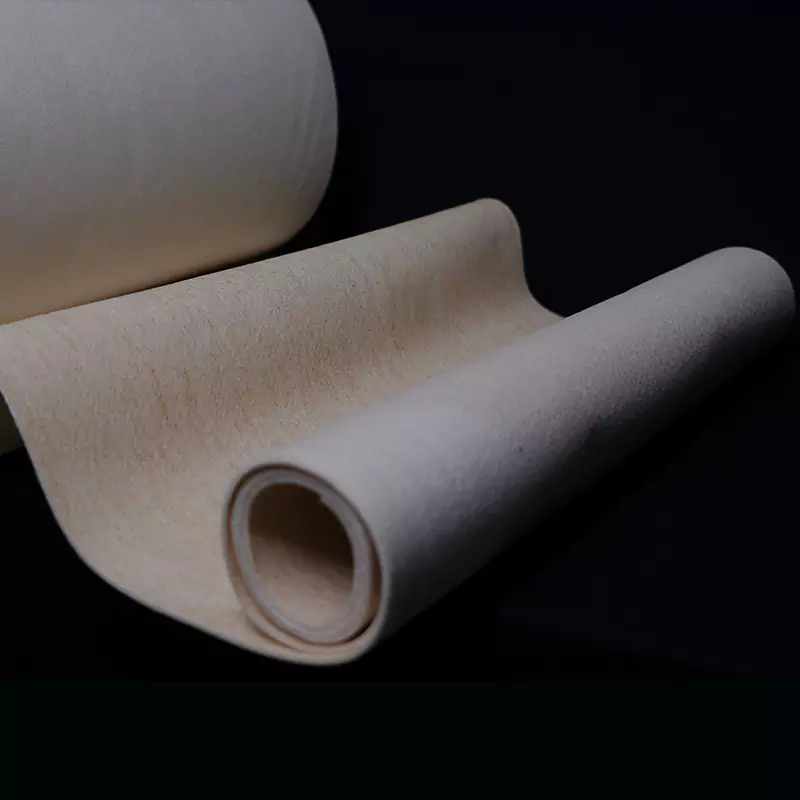
Aramid Felt has become a critical material in industries that demand exceptional heat resistance, durability, and long-term stability. From aluminum processing to thermal insulation systems, businesses rely on this advanced material to reduce downtime, improve product quality, and lower operational costs. This article explores how Aramid Felt works, where it delivers the most value, and how to select the right solution for your application.
Industrial filtration environments are becoming increasingly demanding. Industries such as cement manufacturing, metal processing, chemical production, waste incineration, and power generation require filtration materials that can withstand extreme temperatures, corrosive gases, and continuous operation. Conventional filtration fibers often degrade quickly under such conditions, leading to equipment downtime, reduced efficiency, and increased maintenance costs.
Aramid Yarn is a high-performance synthetic fiber known for outstanding strength, heat resistance, and durability. This comprehensive blog covers key questions about Aramid Yarn — including what it is, how it’s made, where it’s used, what advantages and disadvantages it has, and real-world applications. You’ll also find a clear table of properties, a benefits vs. limitations comparison, and a detailed FAQ section to deepen your understanding.
We use cookies to offer you a better browsing experience, analyze site traffic and personalize content. By using this site, you agree to our use of cookies. Privacy Policy


 15 2026-05
 17 2026-04
 27 2026-03
 05 2026-03
 09 2026-01
